Here’s a quick recap of the decisions we made at the April meeting –
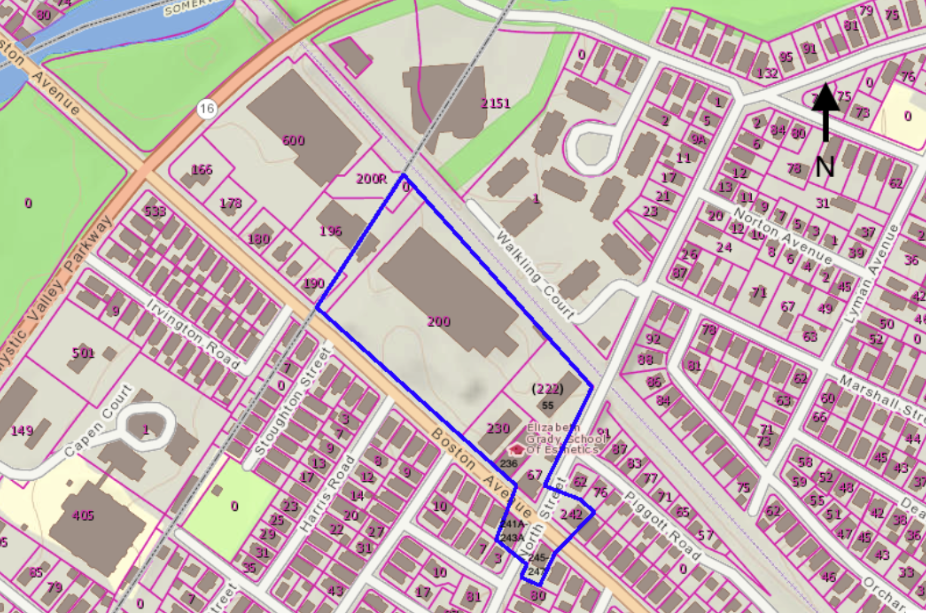
The Historical Commission found 222 Boston Avenue not preferably preserved, but we expect that the redevelopment of this historically significant site will continue to have public discussion and feedback as plans continue through the Community Development Board and other city offices.
Both 12 George Street and 28 Winter Street were voted NOT historically significant.
The house at 17 Green Road was voted historically significant; the Commission agrees that it is an excellent and well-preserved late 19th century shingle-style home. Shingle-style, though now widespread throughout the country, began as a New England style of architecture influenced by domestic and commercial coastal buildings, and their use of shingle. The influence of New England shingle-style can be seen in many turn-of-the-century homes throughout Medford, but 17 Green Road is an especially good example of the style. Although the actual shingle is covered by a recent application of vinyl siding, the proportions, massing and roofline of a classic shingle-style are still evident. The house was built for a prominant Boston doctor as a summer home. Its large porches and placement on a rocky outcropping at the top of what was then called “Highland Avenue,” preserve a sense of the dramatic natural landscape, and the beginnings of that landscape’s development into residential use. More info is available in the Form B our architectural historians prepared.

We also received an application to begin the demo review process at 142 Mystic Avenue.
Finally, we approved our annual report for 2022.
 Medford Historical Commission